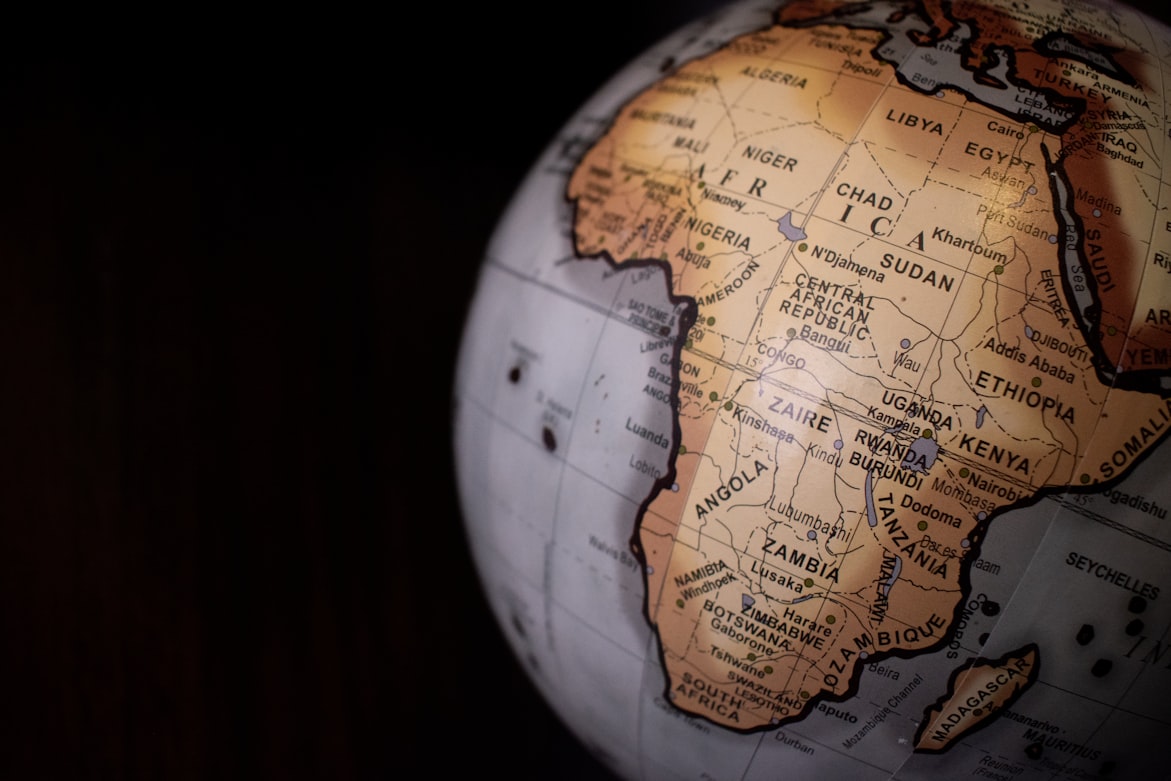
Africa is a continent of abundance. From vast oil and gas reserves to some of the world’s best solar and wind potential, the energy wealth beneath its soil and across its skies is undeniable. Yet the paradox remains: millions of Africans still live without reliable electricity, industries struggle with power shortages, and communities often see little benefit from the resources extracted around them. The question is not whether Africa has the energy to build the future its people deserve, it does. The real challenge is how to harness it wisely.
Energy Access as the Foundation
Energy is more than fuel; it is opportunity. Reliable electricity powers schools, hospitals, and businesses. It enables digital connectivity and industrial growth. Today, nearly 600 million Africans lack access to electricity. Closing this gap must be the first priority. Gas can serve as a transition fuel, while renewables solar, wind, hydro offer scalable, sustainable solutions. A continent that lights up its homes and industries will unlock the creativity and productivity of its people.
Value Addition at Home
For decades, Africa has exported raw hydrocarbons while importing refined products. This model drains value and jobs. By investing in refining, petrochemicals, and LNG processing, Africa can capture more of the energy value chain. Local industries can thrive, skilled jobs can be created, and economies can grow stronger. Energy should not just leave Africa; it should transform Africa.
Governance and Transparency
Energy wealth has often been a curse rather than a blessing, fuelling corruption and inequality. Strong institutions, transparent contracts, and reinvestment of revenues into infrastructure, education, and innovation are essential. When citizens see the benefits of energy resources in their daily lives, trust grows and prosperity spreads.
A Just Transition
Africa’s path must balance growth with climate responsibility. The continent contributes the least to global emissions but suffers disproportionately from climate impacts. By embracing renewables alongside gas, Africa can leapfrog into a cleaner energy future while still meeting development needs. This is not just about energy. It is about justice.
Conclusion
Africa’s energy resources are more than barrels of oil or cubic feet of gas; they are the keys to dignity, opportunity, and prosperity. If harnessed with vision, transparency, and inclusivity, they can power industries, create millions of jobs, and light up homes across the continent. The future Africa deserves is one where its energy wealth fuels not just exports, but empowerment. The numbers are clear; the resources are abundant and the time to build that future is now.