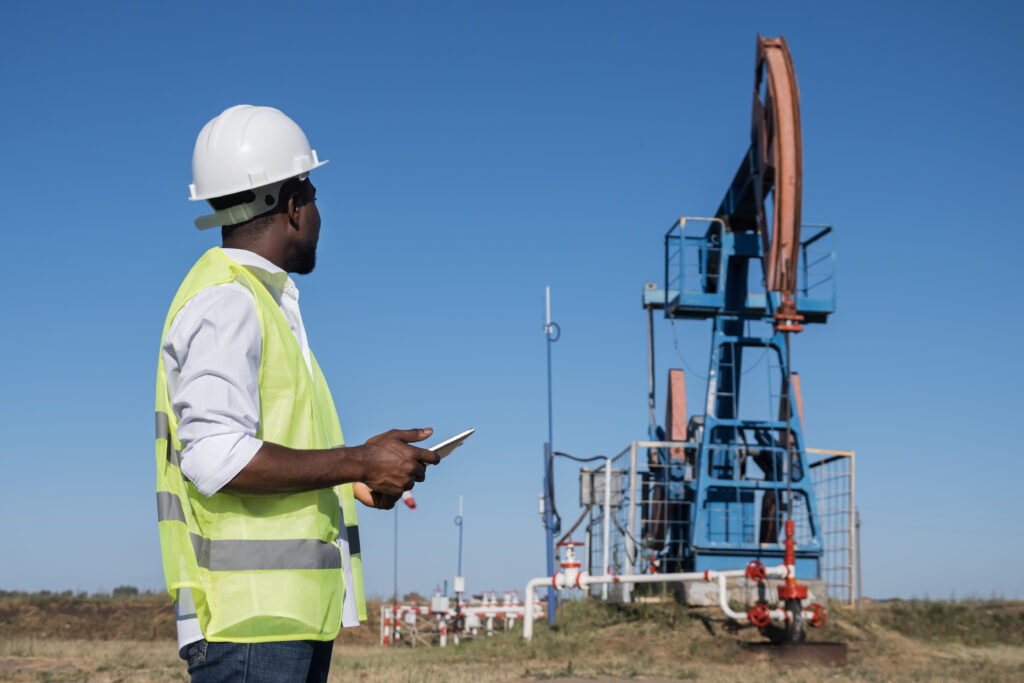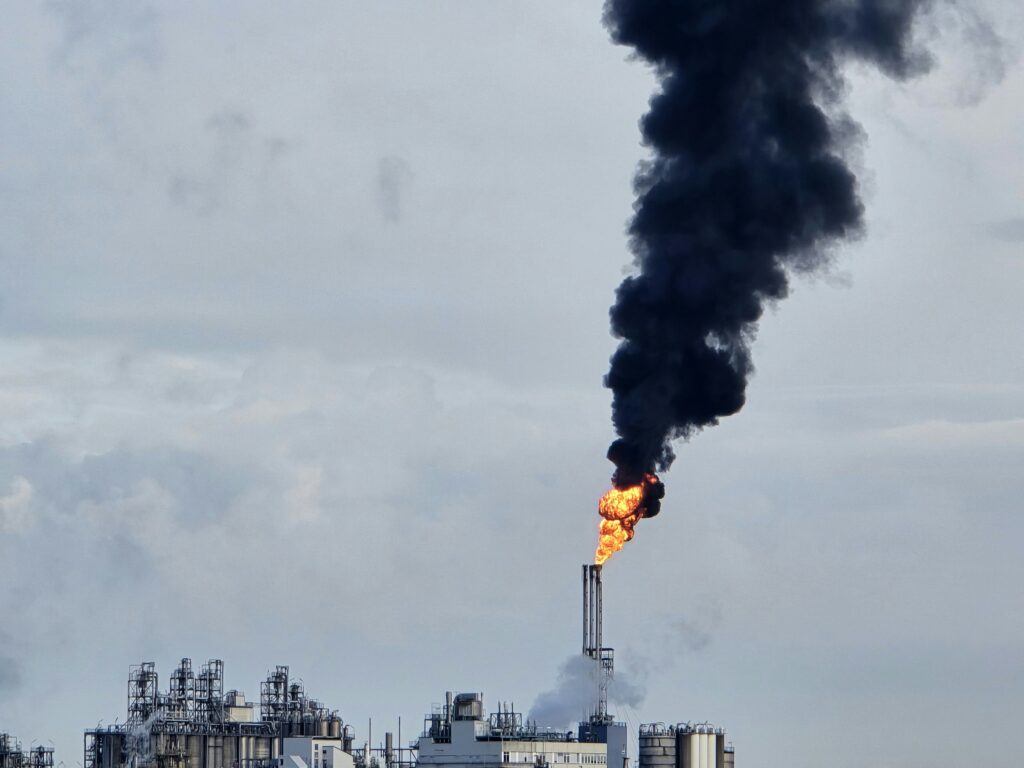
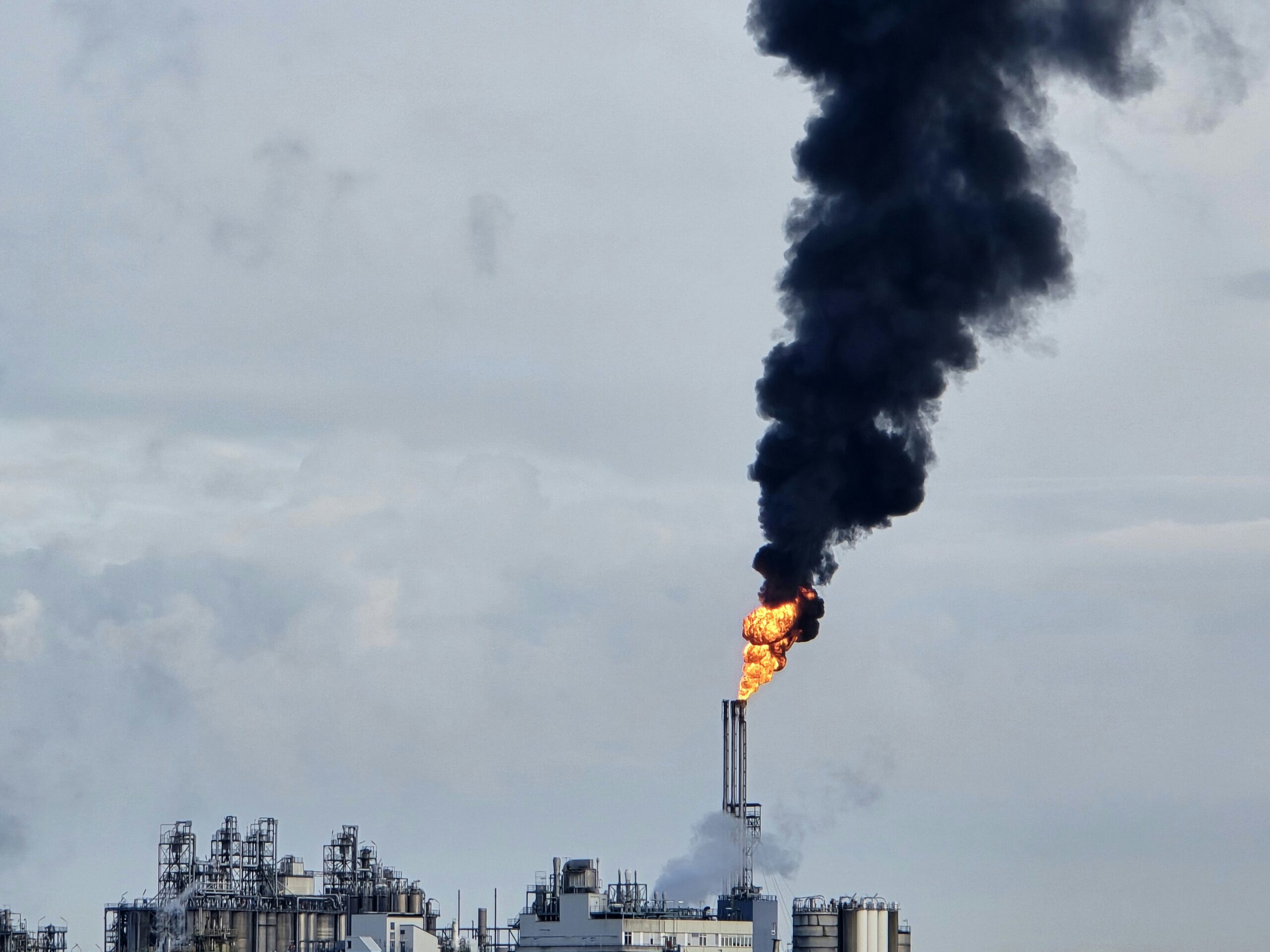
Methane abatement is the fastest step toward lower upstream intensity in West Africa. As the global energy transition accelerates, the ability to accurately measure and mitigate fugitive emissions is becoming a prerequisite for market access and project financing. We combine measurement, LDAR (Leak Detection and Repair) programs, and vapor recovery with simple economics to show that “going green” is often “going profitable.”
The Measurement Gap in West African Basins
Current satellite data often underestimates the specific localized emissions from aging infrastructure in the Gulf of Guinea. For research to be “decision-grade,” we must move beyond top-down estimates and implement ground-level sensor arrays. Our field notes indicate that:
- Venting vs. Leaking: Over 40% of methane loss is due to intentional venting rather than equipment failure.
- Infrastructure Age: Facilities over 20 years old show a 3x higher leakage rate than newer installations.
The Economic Case for Vapor Recovery
Many operators hesitate at the capital expenditure required for methane capture. However, by applying simple economics, we demonstrate that the “lost” gas—once captured—can be redirected into local power generation or virtual pipelines.
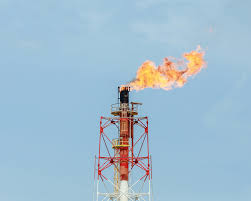
“In the Nigerian context, capturing methane isn’t just an environmental obligation; it’s a recovered revenue stream that can stabilize local mini-grids.” — AER Field Report 2025
Recommendations for Policy Makers
- Standardize Reporting: Implement a unified reporting framework across ECOWAS to prevent “emissions leakage” between borders.
- Incentivize LDAR: Provide tax credits for operators who hit 95% leak repair targets within 48 hours of detection.
- Invest in Human Capital: Train local engineers in infrared thermography and laser-based detection to ensure long-term sustainability of abatement programs.