African Energy Research (AER) is a volunteer-driven collective of analysts, engineers and scholars building grounded research on oil, gas, power, renewables, access and emissions across the continent.
We combine local expertise with international research standards. By utilizing peer-reviewed methodologies and transparent data sourcing, we ensure our insights are a reliable foundation for policy and investment.
AER does not advocate for or against specific fuels, technologies or policy positions. Our role is to describe what is true, using the best available data and methods, and to be explicit about uncertainty and limitations.
We welcome partnerships, funding and collaboration. We do not allow any partner, sponsor or government to edit findings or suppress inconvenient results.
Methods are documented. Sources are cited. Contributors are named. This neutrality is not abstract. It is a practical safeguard so that people can trust what AER publishes, regardless of their own position in the energy debate.
FISCAL POLICY CHANGES IN NIGERIA’S OIL AND GAS SECTOR AND THEIR IMPACT ON UPSTREAM
INVESTMENT DECISIONS Nigeria’s upstream oil sector has seen targeted fiscal reforms in 2025-2026, primarilythrough the Upstream Petroleum Operations (Cost Efficiency Incentives) Order 2025(effective April 30, 2025) and broader tax changes under the Nigeria Tax Act 2025(effective January 1, 2026). These
Nigeria’s Oil Output in 2025: Wins, Misses, and What It Means for 2026 Targets
Nigeria ended 2025 averaging 1.63-1.66 million barrels per day (mbpd) of crude oil and condensate — an 18% recovery from the 2022–2023 lows but still 25–30% below its historical OPEC
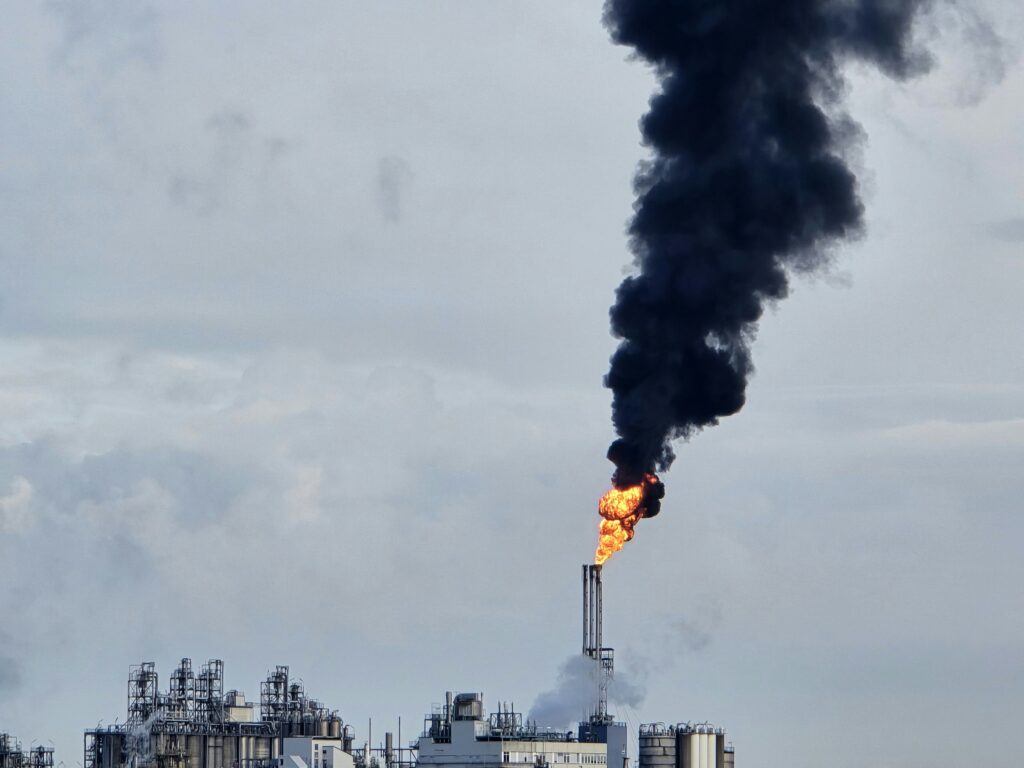
Methane abatement is the fastest step toward lower upstream intensity in West Africa. As the global energy transition accelerates, the ability to accurately measure and mitigate fugitive emissions is becoming